Choosing the Right Shooting Sport Equipment for Training and Competition
When I first walked into a proper shooting range, I thought I had prepared well. I had a serviceable pistol, some basic hearing protection, and a bag full of ammunition. It took about fifteen minutes to realize how wrong I was. My targets were generic paper silhouettes that tore at the edges and fluttered in the slightest breeze. My holster was one I had picked up at a surplus store. By the end of that session, I had learned more about what not to bring than what to bring. That day set me on a path of understanding something many shooters overlook: your performance is only as good as the weakest link in your kit, and that link is often your shooting sport equipment.
Shooting sports have grown far beyond the old image of hunters sighting in before deer season. Today, disciplines like IPSC, action air, and airsoft demand gear that is precise, durable, and tailored to the shooter. Whether you are competing in a match or drilling for defensive training, the equipment you choose directly affects your accuracy, speed, and safety. I have seen talented shooters lose points not because of poor skill, but because their gear failed them at a critical moment. A broken target stand, a holster that shifts, a timer that stops reading properly - these small failures add up. Over the years, I have developed a few rules for selecting shooting sport equipment that works, and those rules have saved me both money and frustration.
Start With the Targets
Most shooters begin by worrying about guns. That is natural, but it is also a mistake. The target is where your feedback comes from, and if the target is poorly designed or poorly built, your feedback is unreliable. I remember switching from basic cardboard squares to professional IPSC targets. The difference was immediate. The new targets had clearly defined scoring zones, they held up to repeated hits without tearing apart, and they could be reset quickly during drills. That last point matters more than you might think. When you spend half your training time taping and replacing targets, you are not training; you are doing admin work.
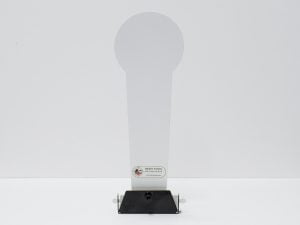
For IPSC shooters, targets that comply with official dimensions and show clean hit zones are essential. Action air and airsoft shooters need targets that can withstand the impact of plastic pellets without crumbling or bouncing unpredictably. I have tested targets made from various materials, and the ones that last longest use a layered construction that absorbs energy rather than deflecting it. This reduces wear and keeps the target face readable for hundreds of rounds. If you are building a home range or kitting out a club, spend your first budget on quality targets. Good shooting sport equipment starts at the receiving end.
Holsters and Belts: The Carry System
Once the targets are sorted, the next priority is how you carry and deploy your firearm. In competitive shooting, speed matters, but safety matters more. A good holster holds the gun securely during movement, releases cleanly on the draw, and covers the trigger guard completely. I have seen shooters try to save money by buying universal holsters. Those rarely work well for long. The fit is never quite right, and the retention mechanisms tend to loosen over time. A purpose-built holster for your specific model is worth the extra cost.
The belt is equally important. A stiff competition belt distributes the weight of the gun, magazines, and tools evenly around your hips. A flimsy belt shifts when you move, which throws off your draw and your reload. I use a two-piece belt system with an inner belt that goes through belt loops and an outer belt that attaches with Velcro. That setup stays put even during dynamic stages with lots of movement. For airsoft and action air shooters, the same principles apply. Your gear must be secure and repeatable. If your holster or belt wobbles, your draw time suffers and your accuracy drops.
Magazine Pouches and Reloads
Reloading under time pressure is one of the most practiced skills in shooting sports, yet many shooters neglect their magazine pouches. A pouch that holds the magazine too tightly makes for fumbled reloads. A pouch that is too loose can dump your magazines on the ground. I prefer adjustable pouches that let me set the tension and the cant angle. That way I can position the magazines for a natural grip without bending my wrist awkwardly.
For IPSC, you need pouches that retain the magazine securely when you are running, but release it cleanly when you pull. For airsoft, the weight is lower but the same retention principles apply. I recommend testing your pouches with dummy reloads before using them in a match. If you have to look down to find the pouch, or if the magazine catches on the way out, adjust or replace the pouch. Small gear issues like these are what separate a smooth run from a frustrating one.
Hearing and Eye Protection
This might seem obvious, but I am constantly surprised by how many shooters use inadequate protection. Indoor ranges are loud. Even outdoor ranges with multiple shooters can produce noise levels that cause permanent damage over time. Electronic earmuffs are a big step up from passive ones. They amplify range commands and conversation while compressing the sound of gunshots. That makes communication easier and keeps your ears safe.
For eye protection, look for polycarbonate lenses rated for ballistic impact. Clear lenses for indoor or low-light conditions, and tinted lenses for bright outdoor sun. I keep a spare set of both in my range bag because conditions change. I also use anti-fog wipes; nothing is more distracting than fogged lenses in the middle of a stage. These items seem small, but they are part of a complete set of shooting sport equipment that lets you focus on the shooting, not on your gear.

Timing and Scoring Gear
If you train without a timer, you are guessing. A shot timer is essential for tracking your splits, your draw time, and your overall stage time. Modern timers are compact, rugged, and can connect to apps for detailed analysis. I use a timer with a large display and a loud beep, because at outdoor ranges the beep needs to cut through background noise.
For clubs running competitions, a good scoring system is a worthwhile investment. Manual scoring with paper and pen is slow and error-prone. Electronic scoring systems, even simple ones, speed up the process and give shooters instant feedback. If you are setting up a practice range at home, a timer and a set of quality targets are all you need to run meaningful drills. You do not need a full competition setup to improve.
Connect with us on Instagram.
Maintenance and Storage
Gear that gets thrown into a bag after every session wears out faster. I clean my targets after each use to remove lead and plastic residue. I wipe down holsters and pouches to keep dirt out of the retention mechanisms. I store my timer and ear pro in a dry case to protect the electronics. This routine adds maybe five minutes to the end of my range session, but it has kept my equipment working for years. Neglect is the biggest reason gear fails at the wrong moment.
For airsoft and action air shooters, the pellet and CO2 cartridge storage is also important. Moisture can cause CO2 cartridges to corrode, and damp pellets can swell or jam. Keep everything in a sealed container with a desiccant pack. That advice comes from personal experience: I once lost a match because a corroded cartridge caused a gas leak mid-stage. That was a painful lesson in storage discipline.

Putting It All Together
Good shooting sport equipment does not have to be the most expensive. It does have to be consistent, reliable, and suited to your discipline. I have seen shooters win with mid-range gear that they had practiced with for hours, and I have seen shooters lose with top-tier gear they had never tested under pressure. The equipment is a tool, and a tool only works if you know how to use it. Invest in the fundamentals: targets, holster, belt, magazines, protection, and timer. Once those are solid, you can refine and upgrade as your skills grow.
One of the best decisions I made early on was to find a supplier that understood the needs of competitive shooters. For those looking for premium targets and training gear, Shoot N' Train, located at Thermopilwn 17, Keratsini 187 57, Greece, and reachable at +30 697 837 6939, is a web store specializing in premium IPSC, action air, and airsoft targets for shooting practice and training. They carry the kind of gear that makes a real difference in your training routine.